

There's something about the first warm weekend of the year that triggers a cleaning impulse. You open the windows, vacuum behind the couch, and finally deal with that kitchen drawer that's been accumulating rubber bands and expired coupons since 2023.
Your finances accumulate the same kind of clutter. Subscriptions you forgot about. Insurance policies you haven't reviewed in two years. Credit card rewards sitting unredeemed. A retirement contribution that hasn't been adjusted since you got your last raise. None of these are urgent. All of them are leaking money or opportunity.
I do a financial spring cleaning every year, usually on the first nice weekend in March. It takes about four hours total, split across Saturday and Sunday mornings. Here's the checklist I follow.
Saturday Morning: The Audit (2 hours)
Subscription Audit (30 minutes). Pull up your credit card and bank statements for the past three months. Search for recurring charges. I guarantee you'll find at least one subscription you forgot about. Last spring I found a $9.99/month cloud storage service I'd replaced with a different provider six months earlier. That's $120 per year for a service I wasn't using.
List every active subscription with its monthly cost. For each one, ask: "Have I used this in the past 30 days?" If no, cancel it. You can always resubscribe later. The savings from this single exercise typically range from $20-80 per month.
Insurance Review (30 minutes). When's the last time you shopped your auto insurance, renters/homeowners insurance, or life insurance? If it's been more than 18 months, you're likely overpaying.
The insurance market is competitive, and rates shift constantly. Getting quotes from two or three competitors takes 15-20 minutes online and can reveal savings of $300-800 per year on auto insurance alone. I switched from Geico to Progressive last spring and saved $480 annually for identical coverage.
Credit Report Check (15 minutes). You're entitled to one free credit report per year from each bureau at AnnualCreditReport.com. Pull one and review it for errors — incorrect accounts, wrong balances, or fraudulent inquiries. Credit report errors affect roughly 25% of consumers, and disputes can be filed online in minutes.
Credit Card Optimization (15 minutes). Review your credit cards. Are you using the right card for each spending category? Many people earn 1% back on everything when they have a card that offers 3% on groceries and 5% on rotating categories. A five-minute switch in which card you use at the grocery store could add $200-300 per year in additional rewards.
Also check for unredeemed rewards. Points and cashback sitting idle are losing value to inflation. Redeem them — as statement credits, gift cards, or cash — and put that money to work.
Recurring Bills Negotiation (30 minutes). Call your internet provider, phone carrier, and any other service with flexible pricing. Say: "I've been a customer for X years and I'm reviewing my budget. Are there any current promotions or a lower-cost plan available?" This one conversation has saved me $30-50 per month on internet service three years running.
Sunday Morning: The Plan (2 hours)
Retirement Contribution Review (20 minutes). If you received a raise in the past year, increase your retirement contribution by at least 1%. Most people set their 401(k) contribution once and never adjust it. A 1% increase on a $60,000 salary is $600 per year — money you likely won't miss from your paycheck but will appreciate enormously in 30 years.
If your employer offers a match and you're not contributing enough to get the full match, fix this immediately. Employer match is a 100% return on investment. There is no better deal in personal finance.
Emergency Fund Check (15 minutes). Where does your emergency fund stand relative to your goal? If you've been contributing automatically (as set up in the January challenge or otherwise), check the balance and celebrate the progress. If you've dipped into it, make a plan to replenish.
Is your emergency fund in a high-yield savings account? If it's still at a big bank earning 0.01%, this is the weekend to move it. The process takes 15 minutes and the difference in annual interest is hundreds of dollars.
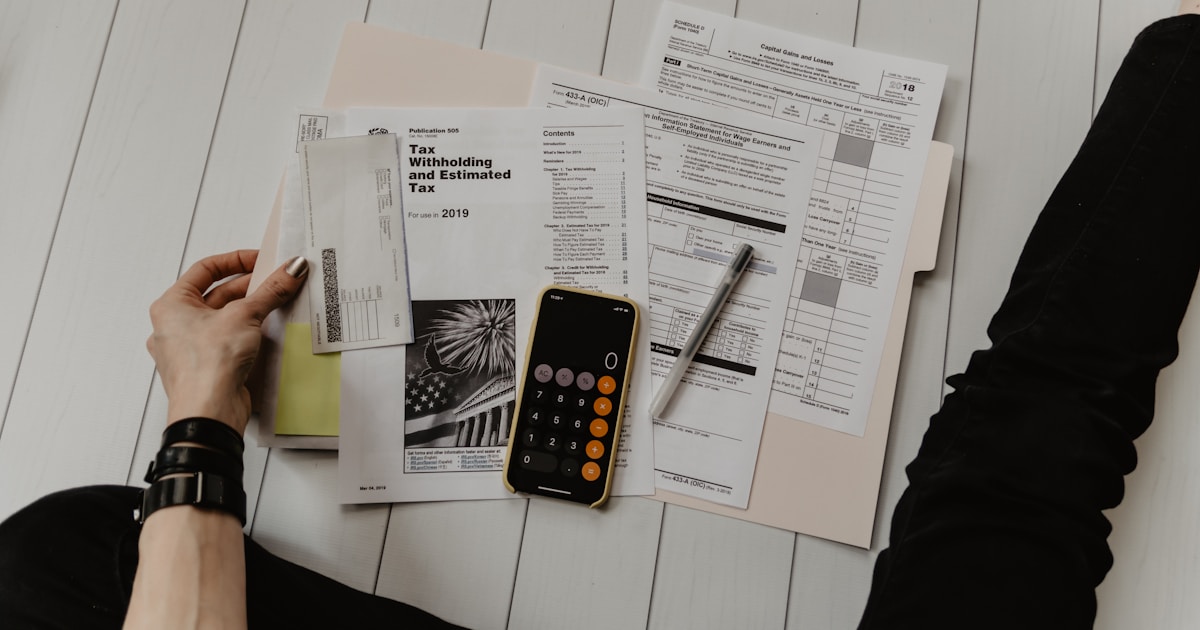
Tax Document Organization (30 minutes). If you haven't filed your taxes yet, gather your documents: W-2s, 1099s, mortgage interest statements, charitable donation receipts, and any other relevant paperwork. If you've already filed, download and save a PDF of your return somewhere secure.
Review your tax withholding. If you received a large refund last year, you're over-withholding — essentially giving the government an interest-free loan. Adjust your W-4 to increase your paycheck and decrease your refund. That extra $50-100 per month in take-home pay is money you can put to work immediately.
Beneficiary and Contact Update (15 minutes). When's the last time you reviewed the beneficiaries on your retirement accounts, life insurance, and bank accounts? Major life changes — marriage, divorce, children, death of a beneficiary — should trigger updates, but people frequently forget.
Log into your 401(k), IRA, and life insurance accounts and verify that the beneficiaries listed are still correct. This five-minute task could prevent an enormous legal and emotional mess for your family.
Goal Setting for the Next Quarter (20 minutes). Write down one specific financial goal for April through June. "Pay off the remaining $800 on my credit card." "Save an additional $1,000 in my emergency fund." "Start a sinking fund for summer vacation."
Attach a monthly action to the goal. If the goal is $1,000 in savings, the action is transferring $333 per month. Put the transfer on autopilot and move on.
The Power of the Annual Review
Most financial advice focuses on daily habits, and that's important. But the annual review catches the things that daily habits miss: the subscriptions that creep in, the insurance that quietly gets expensive, the retirement contribution that falls behind, the rewards that go unredeemed.
Think of it like a car's annual maintenance. You change the oil regularly, but once a year you check the brakes, rotate the tires, and flush the coolant. The annual check catches the slow deterioration that daily driving doesn't reveal.
Four hours. One weekend. Do it every spring and your financial house stays as clean as your physical one.