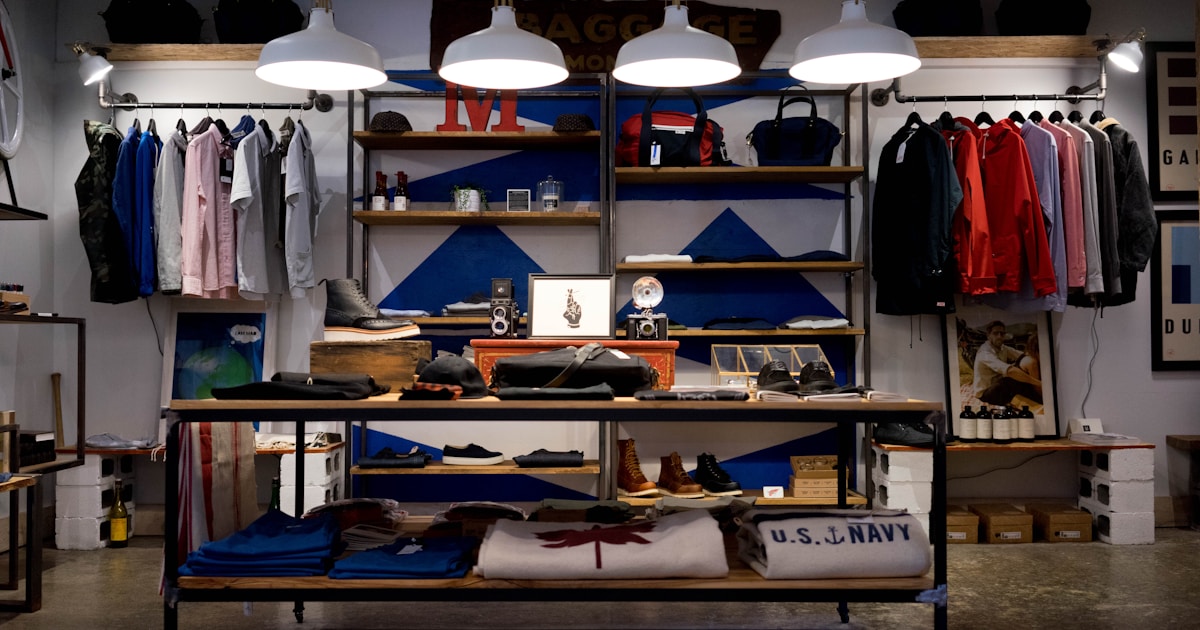


On New Year's Day 2024, I counted every piece of clothing in my closet. The total was 147 items, not counting underwear and socks. Of those 147 items, I wore about 30 regularly. The other 117 pieces — roughly 80% of my wardrobe — hung there in various states of neglect: the impulse purchase I wore once, the trendy top that didn't actually suit me, the three virtually identical black cardigans, the "it was such a good deal" dress that I'd never found an occasion for.
Most of these items cost between $12 and $40. None of them felt like significant purchases at the time. But multiplied by the volume, my clothing spending for the prior year totaled approximately $2,400 — nearly $200 per month on pieces I largely didn't wear.
I decided to try something radical for someone who'd been shopping at H&M and Zara weekly since college: I'd go one full year without buying any fast fashion. Specifically, no purchases from SHEIN, Zara, H&M, Forever 21, ASOS, Fashion Nova, or any retailer whose business model depends on rapid trend cycles and low per-unit prices.
The Rules
I could buy clothing from thrift stores and consignment shops. I could buy from slow-fashion brands if I genuinely needed something (not wanted — needed). I could accept hand-me-downs. I could not buy anything from a fast-fashion retailer, online or in-store, for twelve months.
Month 1-3: The Withdrawal
The first three months were uncomfortable. Not because I lacked clothing — I had 147 items, remember — but because the habit of browsing and buying was deeply embedded. Shopping wasn't just acquisition for me; it was a form of entertainment, stress relief, and social bonding. "Want to go to Zara?" was a standard weekend activity with friends.
Without that outlet, I felt restless. I'd catch myself opening the SHEIN app on autopilot, then closing it. I'd walk through a mall and have to consciously redirect myself past H&M. The pull wasn't about needing clothes — it was about the dopamine of browsing, selecting, and buying. Fast fashion is designed to be addictive: new items arrive weekly, prices are low enough to reduce purchase guilt, and trend-driven marketing creates artificial urgency.
Month 4-6: The Closet Reckoning
By month four, something interesting happened. Without new clothes coming in, I was forced to actually engage with the clothes I had. I tried on everything in my closet over a weekend and made three piles: love it, it's fine, and why do I own this.
The "love it" pile had 32 items. The "it's fine" pile had 41. The "why do I own this" pile had 74. I donated 74 pieces of clothing — more than half my wardrobe — and didn't miss a single one.
What remained was a lean, functional wardrobe of about 73 pieces that I genuinely liked wearing. I started noticing how individual items paired together, experimenting with combinations I'd never tried because the closet had been too cluttered to see them. My style actually improved with fewer options.
Month 7-9: Selective Purchasing
During this phase, I did buy a few items — from thrift stores and one slow-fashion brand. A quality leather jacket from a consignment shop ($35). A pair of Levi's from Goodwill ($7). A linen blouse from a sustainable brand ($68 — the most I'd ever spent on a single top, but the quality difference from a $15 H&M equivalent was immediately obvious).
Each purchase was deliberate. I needed a jacket for fall. I needed jeans because my existing pair wore through. I wanted a versatile blouse that would last years. The total spend for three months: $110, compared to the roughly $600 I'd have spent in the same period at fast-fashion retailers.
Month 10-12: The New Normal
By the final quarter, not shopping fast fashion wasn't a challenge anymore. It was a preference. I'd walk past Zara with genuine indifference. The SHEIN app was deleted. My shopping impulse, which used to fire multiple times per week, now activated maybe once or twice a month — and when it did, I'd browse a thrift store instead.
My clothing purchases for the final quarter: two thrifted sweaters ($12 total), a pair of secondhand boots ($22), and a holiday dress from a consignment store ($28). Quarter total: $62.
The Year in Numbers
Total clothing spend for the year: $420. This compared to approximately $2,400 the prior year. Net savings: $1,980. Meanwhile, my wardrobe was smaller, better curated, and generated more compliments from friends who assumed I'd invested in nicer clothes (I'd invested in fewer clothes, which had the same effect).
But the financial savings were only part of the impact. The time savings were equally significant. I estimate I spent 3-4 hours per week browsing, shopping, and returning fast fashion in the prior year. That's 150-200 hours annually. In the no-fast-fashion year, shopping time dropped to maybe 2-3 hours per month. The reclaimed time went to reading, cooking, and a freelance project that earned more than the clothing savings.
What I'll Do Going Forward
I'm not going back. The experiment became permanent because the alternative — spending $200/month on clothes I'd wear twice — looks absurd from this side.
My ongoing approach: thrift first for everything. Buy new only for items where quality genuinely matters (shoes, outerwear, workwear basics) and choose brands that prioritize durability over trend velocity. Maintain a wardrobe under 80 items. And never, ever open the SHEIN app again.
If your closet is full and your bank account is empty, the closet might be the problem. Not because clothing is frivolous, but because the fast-fashion model is designed to make you buy more than you'll ever wear. Breaking that cycle doesn't require sacrifice. It requires a different definition of enough.